
Table of Contents
ToggleRoom interior designs
Have you ever walked into a room and just felt… happy? Or calm? Or super energized? Maybe it’s your best friend’s super cool bedroom or a cozy corner in your local library. That feeling isn’t magic—it’s room interior designs!
Room interior design is like being the director of a movie, but the movie is your room. You get to decide how everything looks, feels, and works. It’s about making a space that is not only awesome to look at but also perfect for you and the things you love to do.
You don’t need to be a professional artist or have a ton of money to design a great room. You just need some creativity and a plan. This guide will break down the secrets of room interior design into simple, fun steps. Get ready to become the designer of your own space!room interior designs
Step 1: The Blueprint – Dreaming and Planning Your Room
Before you start moving furniture or painting walls bright green (which could be amazing!), you need a plan. This is the most important step in room interior design.
A. Ask Yourself the Big Questions
First, think about what you want your room to be.
-
What’s the Mood? How do you want to feel in your room? Chill and relaxed? Creative and inspired? Focused and ready to study? Energetic and fun? Your answer will guide all your other choices.room interior designs
-
What Happens Here? Make a list of everything you do in your room. Sleep, homework, video games, reading, hanging out with friends, playing an instrument? Your room’s interior design needs to work for all your activities.room interior designs
-
What Do You Love? What are your hobbies, favorite colors, favorite movies, or favorite places? Your room should be a reflection of YOU. If you love astronomy, maybe a starry theme! If you love sports, maybe display your gear. This is what makes your room unique.room interior designs
B. Measure and Map It Out
Grab a tape measure, a piece of graph paper, and a pencil. This is where you get to be an architect!
-
Measure Your Room: Measure the length and width of your room. Also, measure the height of the walls. Don’t forget to measure the windows (how high off the floor are they?) and the doors.room interior designs
-
Draw a Floor Plan: On your graph paper, draw the shape of your room. Let’s say one square on the paper equals one foot in your room. Draw where the windows, doors, and closet are. This map will help you figure out where your furniture can fit without blocking anything.room interior designs
-
Measure Your Furniture: Measure your bed, desk, dresser, and any other big pieces. Then, cut out little paper shapes to match each piece (using the same scale: one square = one foot). Now you can move these paper shapes around your floor plan without breaking a sweat! This is a super fun way to test different layouts.room interior designs
Step 2: The Big Picture – The Core Elements of Room Interior Design
Think of these as the ingredients in a recipe. When you mix them together the right way, you create something amazing.room interior designs
A. Color: The Superpower of Mood
Color is the fastest way to change the feel of a room. In room interior design, colors are often split into two groups:room interior designs
-
Warm Colors: Reds, oranges, and yellows. These colors feel energetic, cozy, and exciting. They can make a large room feel more intimate.room interior designs
-
Cool Colors: Blues, greens, and purples. These colors feel calm, peaceful, and relaxing. They can make a small room feel a little more spacious.room interior designs
How to Use Color:
-
The 60-30-10 Rule: This is a classic interior design trick for a balanced look.
-
60% should be your Dominant Color. This is usually the color on the walls.
-
30% should be your Secondary Color. This could be your bedding, a large rug, or curtains.
-
10% should be your Accent Color. This is for pops of brightness! Think throw pillows, posters, a lamp, or small decorations.room interior designs
-
-
Don’t Be Afraid of Neutrals: White, black, gray, beige, and brown are called neutrals. They are like the background singers in a band—they make the other colors stand out. A white or light gray room is a great canvas for colorful art and furniture.room interior designs
B. Furniture: The Bones of Your Room
Furniture isn’t just stuff to fill a space. It needs to be functional and fit the room’s scale.
-
Function First: Choose furniture that works for your activities. A comfy chair for reading, a sturdy desk for homework, a bed with storage underneath if you’re short on space.room interior designs
-
Size Matters: A huge, bulky bed can make a small room feel cramped. A tiny desk can look lost in a big room. Use your paper cut-outs from your floor plan to find the right-sized pieces.room interior designs
-
Create a Focal Point: Arrange your furniture around a focal point. This is the first thing your eyes are drawn to when you walk in. It could be a window with a great view, your bed with a cool headboard, or a TV (for a game room). Arranging furniture towards this point makes the room feel organized.room interior designs
C. Lighting: Set the Scene
Lighting is like a mood switch. Good room interior design always has layers of light.
-
Ambient Lighting: This is the main light in the room, usually from a ceiling light. It provides overall illumination. A dimmer switch is a great upgrade because it lets you control the brightness.
-
Task Lighting: This is light for a specific job. A desk lamp for homework, a reading light next to your bed, or a lamp for a puzzle table. This prevents eye strain and adds light where you need it most.
-
Accent Lighting: This is light for drama and style! Think string lights around a window, LED strips under a shelf, or a small light pointing at a poster. This layer adds personality and a cozy glow.
Step 3: The Fun Details – Bringing Your Room Interior Design to Life
This is where your personality really shines through. The details are what make your room feel like home.
A. Textiles: The Touchy-Feely Stuff
Textiles are anything made of fabric. They add softness, color, and pattern.room interior designs
-
Rugs: A rug can define a space. For example, a rug under your bed and desk can create a “sleeping/working” zone. It also feels great on your feet!
-
Pillows and Throws: This is the easiest and cheapest way to change your room’s look. Add a few throw pillows to your bed or a chair. Drape a soft throw blanket over the end of your bed. You can switch these out with the seasons or whenever you want a new look.
-
Curtains: Curtains control light and add softness to windows. Hanging the curtain rod a little higher and wider than the window can make the window look bigger!
B. Walls: Your Personal Art Gallery
Don’t leave your walls empty! They are a giant canvas for your style.room interior designs
-
Art and Posters: Frame your favorite posters, artwork, or even your own creations. Frames make things look more finished and intentional.
-
Photos: Create a gallery wall of photos with your friends and family. You can use matching frames for a clean look or mix-and-match for a fun, eclectic style.
-
Wall Decals: These are great because they are removable and come in millions of designs—from quotes to geometric shapes to giant trees.
-
Shelves: Floating shelves are both decorative and functional. You can display books, trophies, plants, and collectibles.
C. Storage: Taming the Chaos
A well-designed room is also a tidy room. Good storage is a secret weapon in room interior design.
-
Open Storage: Like shelves or cubbies. Great for displaying things you love and want to see.
-
Closed Storage: Like drawers, cabinets, or bins with lids. Perfect for hiding clutter—stuff you need but don’t necessarily want to look at all the time.
-
Think Vertical: Use the height of your walls! Tall bookcases or stackable bins use space efficiently.
Step 4: Let’s Get Specific – Room Interior Design Ideas for You
Now, let’s apply these ideas to different types of rooms you might want to design.
The Ultimate Bedroom Sanctuary
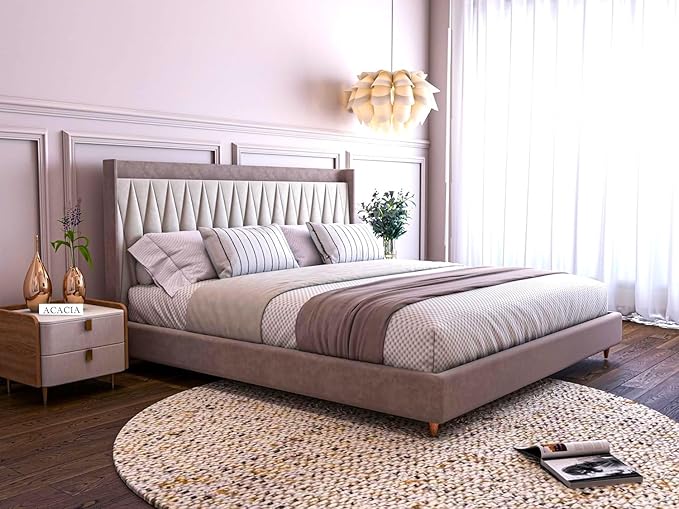
Your bedroom is for sleeping and relaxing, so the interior design should be calm and personal.
-
Color Palette: Choose calming colors like soft blues, greens, lavenders, or warm neutrals. If you love bright colors, use them as your 10% accent color on a neutral background.room interior designs
-
Focal Point: Your bed is almost always the focal point. Make it awesome with a cool headboard, a set of great sheets, and a pile of comfy pillows.
-
Lighting: Use a ceiling light with a dimmer. Have a lamp on your bedside table for reading. Add some accent lighting, like fairy lights, for a cozy vibe at night.
-
Storage: Under-bed storage boxes are a lifesaver for out-of-season clothes or extra bedding. Use a bookshelf for both books and decorations.
-
Personal Touch: This is your private space. Fill it with things that make you happy—awards, photos, a favorite stuffed animal, or a collection of something you love.
The Homework Haven (Study Nook)
Whether it’s a corner of your room or a whole room, your study space needs to help you focus.
-
Color Palette: Greens and blues can help with concentration. Yellow can promote creativity. Avoid overly bright, distracting colors on the walls. Keep it simple.
-
Furniture: The most important piece is a good desk and a comfortable chair. Make sure your chair is the right height so you can type and write comfortably.
-
Lighting: Task lighting is key here! A good desk lamp that lights up your work without creating a glare on your computer screen is a must.
-
Organization: Keep supplies organized in cups, drawers, or on a pegboard above the desk. A clean workspace helps you have a clear mind. A small pinboard for your schedule, reminders, and inspiring quotes is a great idea.
The Super Fun Hangout Zone
This is a space for friends, games, and fun. The room interior design should be energetic and flexible.
-
Color Palette: You can be bolder here! Bright oranges, reds, or vibrant blues can create an exciting atmosphere.
-
Furniture: Think about seating for multiple people! Beanbag chairs, floor cushions, or a small sofa are perfect. Make sure there’s open floor space for playing games. A low table for snacks and board games is great.room interior designs
-
Lighting: Colorful LED lights or a smart bulb that can change colors can instantly change the mood for a party or a movie night.room interior designs
-
Entertainment: This is the place for your TV, game console, and music speaker. Arrange the seating so everyone has a good view.room interior designs
-
Personal Touch:
-
Create a feature wall with a cool mural or a wall of your favorite band posters.
-
Have a basket of blankets for movie nights.
-
Set up a mini-fridge for drinks.
-
Step 5: You’re the Designer – Tips for a Successful Project
You have all the tools. Now, here’s how to put it all together without getting stressed.
-
Start Small and Budget-Friendly: You don’t have to do everything at once. Start by rearranging your furniture (it’s free!). Then, maybe add a new lamp or some posters. Small changes can make a big differenceroom interior designs.
-
DIY (Do-It-Yourself) Magic: Get creative! You can:
-
Paint an old piece of furniture a new color.
-
Make your own art.
-
Decorate plain storage boxes with contact paper or wrapping paper.room interior designs
-
-
Declutter First: The best room interior design in the world won’t look good if it’s messy. Before you start decorating, go through your stuff. Donate or throw away things you don’t use anymore. A clean room instantly feels better.room interior designs
-
Get Inspired, But Be You: Look at pictures on Pinterest or in magazines for ideas. But remember, the goal is not to copy a room exactly. It’s to create a room that you love and that works for you. Your room should tell your story.room interior designs
Conclusion: Your Adventure in Room Interior Design Starts Now!
Room interior design is an amazing way to express yourself and create a space that is truly yours. It’s about problem-solving, creativity, and having fun. You are the expert on you, so trust your instincts.room interior designs
Remember the steps: Plan your space, think about the big elements (color, furniture, light), and then have a blast with the details. Whether you’re creating a calm bedroom, a focused study nook, or a fun hangout spot, you have the power to design a room you’ll love to spend time in.room interior designs
So, what are you waiting for? Grab that tape measure and graph paper, and start your room interior design adventure today
Let’s see how these room interior design ideas work in real life. Imagine two friends, Alex and Sam, who used these steps to transform their rooms.
Alex’s Calm & Collected Bedroom
Alex needed a place to unwind after school and get good sleep. Their room felt cluttered and busy.
-
The Plan: Alex decided on a “calm and cozy” mood. The main activities were sleeping, reading, and listening to music.
-
The Big Changes:
-
Color: They painted three walls a soft, light gray (60% dominant color). The wall behind the bed was painted a muted blue (30% secondary color). For the 10% accent, they chose a warm mustard yellow.
-
Furniture: Alex used the floor plan to move their bed away from the door, creating a more relaxing entrance. They added a floating shelf next to the bed instead of a bulky nightstand to save space.
-
Lighting: The overhead light got a dimmer switch. A sleek, black desk lamp on the shelf provided task lighting for reading. They also hung string lights with tiny stars above the headboard for a gentle accent glow.
-
-
The Finishing Touches: A fluffy gray rug made the floor cozy. The mustard yellow appeared in a throw blanket and the frame of a favorite poster. Alex used woven baskets on the shelf for storage, hiding clutter but looking stylish. Now, Alex’s room is a peaceful retreat.
Sam’s Epic Hangout Zone
Sam’s room was the spot where everyone wanted to be, but it wasn’t set up for it. Furniture was pushed against the walls, leaving an empty, awkward middle.
-
The Plan: Sam wanted an “energetic and fun” mood for gaming, hanging out, and displaying a growing sneaker collection.
-
The Big Changes:
-
Color: Sam kept the walls white to keep things bright but added huge, removable wall decals of their favorite cartoon characters in vibrant colors.
-
Furniture: This was the biggest change! Sam created a “conversation area” by pulling a small sofa and two beanbag chairs away from the walls to face each other. The TV and game console became the clear focal point.
-
Lighting: Sam installed color-changing LED strips behind the TV and along the ceiling. With a remote, they could switch the lighting from bright white for homework to blue and purple for a video game tournament.
-
-
The Finishing Touches: A large, durable rug defined the hangout area. Sam mounted a sleek, floating shelf high on the wall to display their coolest sneakers like artwork. A low, cube storage unit held board games and controllers, making everything easy to grab.
Your Turn to Design!
Just like Alex and Sam, you can use the principles of room interior design to solve problems and create a space you love. The most important thing is to start. You don’t need to do everything at once.
Your Mission, Should You Choose to Accept It:
-
Pick One Small Thing: This weekend, choose one tiny change. Maybe it’s hanging a new poster with proper frames, rearranging the pillows on your bed, or organizing one shelf.
-
See How It Feels: Live with that small change for a day. Does it make you happy? Does the room feel a little better?
-
Plan the Next Step: Once you see how powerful a small change can be, you’ll be excited to try the next one. Maybe you’ll want to plan a new furniture layout or save up for a cool lamp.
Room interior design is a journey, not a one-time event. Your style will change as you grow, and your room can change with you. Have fun with the process, don’t be afraid to make mistakes, and always remember—you are the designer of your own world. Now, go unlock your space

Leave A Comment