
Table of Contents
TogglePot for Plants
Have you ever brought home a beautiful plant, only to realize you have nowhere to put it? You are not alone. Every plant parent faces this fun problem. The solution is simple. You need a pot. But not just any pot. The right pot for your plant is like the perfect house for a best friend. It keeps them safe, healthy, and happy POT FOR PLANTS.
This guide is all about pots for plants. We will explore the amazing world of containers. You will learn why a pot is so important. We will look at the different materials pots are made from. You will discover how to pick the perfect pot for your plant. We will even learn how to plant your green friend in its new home. Get ready to become a pot expert POT FOR PLANTS.
Why the Right Pot is a Big Deal
You might think a pot is just a bucket for dirt. It is so much more. A good pot does three important jobs for your plant.
-
It is an Anchor for Roots: The roots of a plant are like its hidden hands. They spread out under the soil. They grab water and food for the plant. A pot gives the roots a place to grow and spread out. Strong roots mean a strong plant POT FOR PLANTS.
-
It is a Water Manager: Plants need water to live. But too much water is just as bad as too little. A good pot helps manage water. It has a hole at the bottom. This hole lets extra water drain out. Without a drainage hole, water gets stuck. This can make the roots rot. Root rot is a very bad sickness for a plant POT FOR PLANTS.
-
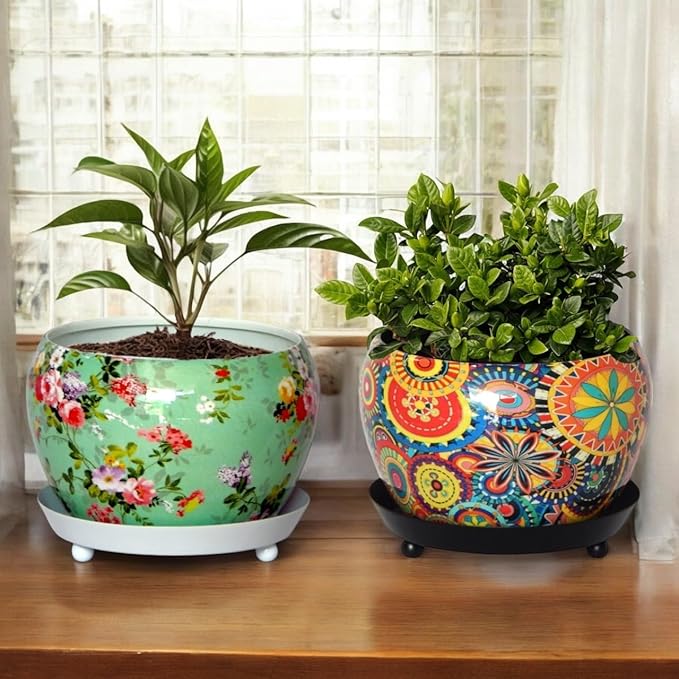
It is a Style Statement: Pots for plants are not just functional. They are fun. They add color and personality to your room. A cool pot can make your plant look even better. It shows off your style. You can match your pot to your room’s decor. Your plant becomes a piece of living art POT FOR PLANTS.
A Tour of Pot Materials: The Good and The Not-So-Good
Pots for plants come in all shapes and sizes. They are also made from many different materials. Each material has its own superpowers and its weaknesses. Let’s meet the most popular types POT FOR PLANTS.
1. Terracotta Pots: The Classic Choice
You have definitely seen these pots. They are the reddish-brown clay pots that look classic POT FOR PLANTS.
-
What They Feel Like: They are made from baked clay. This makes them porous. This means they let air and water pass through the walls POT FOR PLANTS.
-
The Good Stuff:
-
Great Breathability: The porous walls let air reach the roots. This is very healthy for the plant POT FOR PLANTS.
-
Prevents Overwatering: The clay soaks up extra moisture from the soil. This helps the soil dry out faster. It is perfect for plants that like dry conditions POT FOR PLANTS.
-
Heavy and Stable: They are weighty. This means they are hard to knock over. They are great for big, top-heavy plants POT FOR PLANTS.
-
-
The Not-So-Good Stuff:
-
They Dry Out Fast: For plants that love water, this can be a problem. You might have to water them more often POT FOR PLANTS.
-
They Can Break: If you drop a terracotta pot, it will probably break POT FOR PLANTS.
-
They Get a White Crust: Minerals from water can build up on the outside. This creates a white, chalky film. Some people love this look. Others do not POT FOR PLANTS.
-
Best For: Succulents, cacti, snake plants, and other plants that like dry soil POT FOR PLANTS.
2. Plastic Pots: The Lightweight Champion
Most plants you buy at the store come in a plastic pot. They are everywhere for a good reason.
-
What They Feel Like: They are light and flexible. They come in every color and design you can imagine POT FOR PLANTS.
-
The Good Stuff:
-
Very Lightweight: They are easy to move around. You can hang them without worry POT FOR PLANTS.
-
Keeps Moisture In: Plastic is not porous. Water does not evaporate through the walls. This means the soil stays moist for longer POT FOR PLANTS.
-
Inexpensive and Durable: They are the cheapest type of pot. They do not break if you drop them POT FOR PLANTS.
-
-
The Not-So-Good Stuff:
-
Can Cause Overwatering: Because they hold moisture so well, it is easy to give plants too much water POT FOR PLANTS.
-
Less Breathable: Air cannot get to the roots through the plastic walls POT FOR PLANTS.
-
Can Become Brittle: If left in the sun for a long time, plastic can get weak and fade in color.
-
Best For: Moisture-loving plants like ferns, and for people who like to rearrange their plants often POT FOR PLANTS.
3. Ceramic Pots: The Fancy Fashionista
These are the beautiful, often glazed pots you see in home decor stores. They are the fancy outfit for your plant POT FOR PLANTS.
-
What They Feel Like: They are made from clay, like terracotta. But they are fired at a hotter temperature. Then they are coated with a shiny glaze POT FOR PLANTS.
-
The Good Stuff:
-
Super Stylish: They come in millions of colors, patterns, and finishes. They can make any plant look amazing POT FOR PLANTS.
-
Holds Moisture Well: The glaze seals the clay. This stops water from evaporating. Your soil will stay wet for a good amount of time POT FOR PLANTS.
-
Heavy and Stable: Like terracotta, they are not easy to tip over POT FOR PLANTS.
-
-
The Not-So-Good Stuff:
-
Often No Drainage Hole: Many decorative ceramic pots do not have a hole in the bottom. This is a big problem for plant health POT FOR PLANTS.
-
Can Be Expensive: They are usually the most costly type of pot POT FOR PLANTS.
-
Very Breakable: They are fragile and can crack or chip if handled roughly POT FOR PLANTS.
-
Best For: Adding a pop of color and style. Often used as a “cachepot” (we will learn about this later!).
4. Fabric Pots: The New Kid on the Block
You might see these soft, bag-like pots. They are becoming very popular with gardeners POT FOR PLANTS.
-
What They Feel Like: They are made from a breathable fabric, like felt.
-
The Good Stuff:
-
Amazing Airflow: The fabric allows a lot of air to reach the roots. This creates very healthy, strong roots POT FOR PLANTS.
-
Prevents Overwatering: Excess water drains out from all sides, not just the bottom. It is almost impossible to overwater in a fabric pot POT FOR PLANTS.
-
Prevents Root Circling: In a hard pot, roots can grow in circles. In fabric pots, they are “air-pruned.” This means they stop growing when they hit the air. This creates a better root system.
-
-
The Not-So-Good Stuff:
-
They Dry Out Very Fast: You will need to water your plants very often.
-
They are Not Very Pretty: Most are simple and black or brown.
-
They Don’t Last Forever: The fabric can break down after a few seasons in the sun and weather.
-
Best For: Outdoor vegetable gardens, large trees, and plants that need excellent drainage.
Other Cool Materials:
-
Metal Pots: Look very modern but can get too hot in the sun. They also can rust.
-
Wood Pots: Look natural and are great for outdoor plants. They eventually rot.
-
Concrete Pots: Very heavy and durable. They have a cool, industrial look.
The Most Important Part: Drainage!
We have talked about it a lot. It is so important, it needs its own section. Drainage is the number one rule for happy plants.
What is Drainage?
Drainage is how water flows out of the pot. A pot with good drainage has one or more holes in the bottom. When you water your plant, the extra water can escape.
Why is it So Important?
Plant roots need water, but they also need oxygen. When a pot has no drainage hole, water sits at the bottom. The soil becomes a swamp. The roots drown and start to rot. This is called “root rot.” It is the most common way people accidentally kill their plants.
What if My Beautiful Pot Has No Hole?
Do not worry. You have two great options.
-
Use it as a Cachepot (Say: “cash-poh”): This is a fancy French word for a decorative outer pot. You keep your plant in its boring, plastic nursery pot. Then, you place that plastic pot inside the beautiful pot with no hole. When you water your plant, take the plastic pot out. Water it over a sink. Let all the extra water drain out. Then, put it back in the decorative cachepot. It is that easy.
-
Drill a Hole Yourself: You can buy a special drill bit for ceramic or glass. You can carefully drill your own drainage hole. Ask an adult for help with this.
How to Choose the Perfect Pot for Your Plant
Now for the fun part. It is time to go shopping. But how do you choose? Follow these simple steps.
Step 1: Check the Size – The Goldilocks Rule
You do not want a pot that is too big or too small. You want one that is just right.
-
Too Small: The roots have no room to grow. Your plant will become “root-bound.” This means the roots are a tangled mess. The plant will stop growing.
-
Too Big: There is too much soil. The soil will stay wet for too long. This can lead to root rot.
A good rule is to choose a pot that is 1-2 inches wider in diameter than the current pot. If you are repotting a plant from a 4-inch pot, look for a 5 or 6-inch pot.
Step 2: Think About Your Plant’s Personality
Is your plant a thirsty drinker or a desert survivor?
-
For plants that love water (like ferns and peace lilies): Plastic or glazed ceramic pots are great. They hold moisture well.
-
For plants that hate wet feet (like cacti and snake plants): Terracotta or fabric pots are the best choice. They help the soil dry out quickly.
Step 3: Consider Your Own Habits
Be honest with yourself. Are you an over-waterer or an under-waterer?
-
If you always forget to water: Choose a plastic or glazed ceramic pot. They will help keep the soil moist for longer.
-
If you love to water a little too much: Choose a terracotta or fabric pot. They will forgive your over-watering by drying out faster.
Step 4: Don’t Forget About Style
Now you can think about color and design. Pick a pot that makes you happy. Pick one that looks great in your space. Your plant is part of your home’s decor.
Let’s Get Our Hands Dirty: How to Repot Your Plant
You have your plant and your new pot. Now it is time to put them together. Repotting is easy. Just follow these steps.
What You Will Need:
-
Your plant
-
Your new pot (with a drainage hole!)
-
Fresh potting soil
-
A trowel or a big spoon
-
A newspaper or a workspace you can get dirty
-
A little bit of water
Step-by-Step Instructions:
-
Prepare Your New Pot: Place a small piece of broken pot or a rock over the drainage hole. This stops soil from washing out. It still lets water drain. Add a few inches of fresh potting soil to the bottom of the new pot.
-
Remove the Plant: This is the tricky part. Turn the plant’s current pot on its side. Gently squeeze the sides of the plastic pot. Carefully wiggle the plant out. You should see the root ball (the roots and soil). If the plant is stuck, you can tap the bottom of the pot.
-
Loosen the Roots: Look at the roots. Are they growing in a tight circle? Gently loosen them with your fingers. This helps them grow out into the new soil. Be careful not to break too many roots.
-
Place the Plant: Set your plant in the center of the new pot. The top of the old soil should be about an inch below the rim of the new pot. This gives you space for watering.
-
Add More Soil: Fill in the space around the plant with fresh soil. Gently press the soil down as you go. Make sure the plant is standing up straight.
-
Give it a Drink: Water your plant thoroughly. Water until you see it coming out of the drainage hole. This helps settle the soil around the roots.
-
Clean Up: Wipe off your new pot if it got dirty. Clean up your workspace. That is it. You did it.
Creative Ideas for Your Pots for Plants
Pots are not just for sitting on a table. You can use them in so many creative ways.
-
Create a Grouping: Put several plants in different pots together. Mix tall and short plants. Use pots of different sizes and colors. This makes a big, beautiful statement.
-
Go Vertical: Use hanging pots or wall-mounted pots. This saves space on your tables and floors. It also adds interest to your walls.
-
Paint Your Own: Buy plain terracotta pots. Use acrylic paint to decorate them yourself. This is a super fun project. You can create a pot that is totally unique.
-
Upcycle Household Items: Do not feel you must only use “pots.” An old teapot, a cute mug, or a woven basket can become a home for a plant. Just remember the drainage rule. You can use them as a cachepot or drill a hole carefully.
The Final Word on Pots for Plants
Choosing the right pot for your plant is a fun and important job. It is not just about looks. It is about the health of your green friend. Remember the key points. Always choose a pot with a drainage hole. Pick the right size and material for your plant’s needs. Do not be afraid to express your style.
The world of pots for plants is huge and exciting. Now you have the knowledge to explore it. You can make smart choices. Your plants will thank you by growing big, strong, and beautiful. So, go find your plant its perfect new home. Happy planting.
You are now a pot expert. You know about materials and drainage. You know how to repot a plant. But the adventure does not stop there. Let us explore some more creative ideas. We will solve common problems and answer fun questions. Get ready to take your plant parenting to the next level.
The Magic of Hanging Pots and Planters
Do you have more plants than shelf space? Hanging pots are your best friend. They add a whole new level to your garden. Your plants can float in the air. This looks magical in any room.
Why You’ll Love Hanging Pots:
-
They Save Space: Small apartments need smart solutions. Hanging planters use vertical space. They free up your tables and windowsills.
-
They Protect Your Plants: Do you have a curious cat or a playful dog? Some pets love to chew on leaves. Hanging your plants keeps them out of reach.
-
They Show Off Trailing Plants: Some plants love to cascade down. Think of String of Pearls or Pothos. A hanging pot lets them show off their long, beautiful vines.
Types of Hangers:
-
Macramé Hangers: These are knotted rope hangers. They are very popular. They add a cozy, boho feel to your home. You can buy them or learn to make your own.
-
Plastic Hanging Baskets: These are lightweight and practical. They often have a built-in saucer. This catches drips of water.
-
Metal Hanging Planters: These look modern and sleek. They often have a geometric design.
A Word of Caution: Always make sure your hook is strong. It must hold the weight of the pot, soil, and a wet plant. Secure it properly into a ceiling joist or a strong hook.
The Wonderful World of Saucers and Trays
A saucer is the little dish that goes under a pot. It seems simple. But it is a very important partner for your pot.
What Saucers Do:
-
They Protect Your Furniture: The saucer catches the extra water that drains out. This stops water rings on your wooden tables. It protects your floors from damage.
-
They Create Humidity: Group several plants on a large tray. Fill the tray with small pebbles and a little water. As the water evaporates, it creates moist air. Many houseplants love this extra humidity.
Choosing the Right Saucer:
-
Size: Your saucer should be a little wider than your pot’s base. This ensures it catches all the drips.
-
Material: You can find saucers in plastic, ceramic, or metal. Pick one that matches your pot’s style. Always empty the saucer about 30 minutes after watering. Do not let your plant sit in a puddle.
When is it Time for a New Pot?
Plants are living things. They grow. How do you know when your plant needs more space? Look for these signs.
1. Roots are Making a Great Escape:
Look at the drainage hole. Do you see roots poking out? This is a clear signal. The roots have run out of room. They are looking for more space. It is definitely time to repot.
2. The Plant Dries Out Super Fast:
You water your plant. The soil is completely dry the very next day. This often means the plant is root-bound. There are more roots than soil in the pot. The roots drink all the water very quickly.
3. The Plant is Top-Heavy and Tips Over:
Your plant has grown very tall. It becomes wobbly and might fall over. This means the pot is too small to anchor it. A larger, heavier pot will provide better support.
4. It Has Been Years:
Sometimes, you will not see any obvious signs. But if it has been over two years, check the roots. Gently slide the plant out of its pot. If the roots are circling tightly, it is time for an upgrade.
A Special Case: Pots for Outdoor Plants
The rules change a little when you move outside. Outdoor pots face sun, rain, and wind.
Special Considerations for Outdoor Pots:
-
Weather Resistance: Terracotta pots can crack if they freeze. Water gets into the pores. Then it expands when it freezes. Plastic and fiberglass are better for cold climates.
-
Weight: A big outdoor pot can be very heavy. If you want to move it, consider lightweight materials. Plastic or fiberglass are good choices.
-
Watering Needs: Outdoor plants in pots dry out much faster. The sun and wind evaporate water quickly. You will need to water them more often than indoor plants.
Fun DIY Projects for Your Pots for Plants
One of the best things about pots is personalizing them. You can turn a simple pot into a work of art.
1. The Painted Pot:
This is an easy and fun project. You need a terracotta pot and some acrylic paint.
-
Step 1: Make sure your pot is clean and dry POT FOR PLANTS.
-
Step 2: Paint your design. You can use brushes or sponges. Paint simple patterns like stripes or dots. You can paint a beautiful landscape. Let your imagination run wild POT FOR PLANTS.
-
Step 3: Let the paint dry completely POT FOR PLANTS.
-
Step 4: Seal it. Use a clear sealant spray. This will protect your artwork from water and sun POT FOR PLANTS.
2. The Chalkboard Pot:
Paint a terracotta pot with chalkboard paint. Now you can write on it. You can write the plant’s name. You can draw a picture of the plant. You can write fun messages. It is a cute and changeable decoration POT FOR PLANTS.
3. The Decoupage Pot:
This sounds fancy but it is simple. You glue paper onto a pot POT FOR PLANTS.
-
Step 1: Find pretty paper. You can use napkins, pages from an old book, or wrapping paper POT FOR PLANTS.
-
Step 2: Use a decoupage glue like Mod Podge. Brush a layer onto the pot POT FOR PLANTS.
-
Step 3: Carefully place your paper on the glue. Smooth out any bubbles POT FOR PLANTS.
-
Step 4: Brush another layer of glue on top of the paper. This seals it. Let it dry completely POT FOR PLANTS.
Answering Your Curious Questions
Can I use a mug or a teacup as a pot?
Yes. You absolutely can. These are called “upcycled” pots. They look very charming. The most important thing is drainage. You have two options. You can use it as a cachepot. Keep the plant in a small plastic pot inside the mug. Or, you can very carefully drill a drainage hole. Ask an adult for help. Use a special drill bit for glass or ceramic POT FOR PLANTS.
Why do some pots have weird shapes?
Pots come in all shapes for style and function. A tall, narrow pot is great for deep roots. A wide, shallow pot is perfect for plants with shallow roots. Some pots are just designed to be artistic. They are like sculpture for your plant POT FOR PLANTS.
How do I clean my pots?
It is a good idea to clean a pot before you reuse it. Scrub it with warm, soapy water. You can add a little vinegar to kill any germs. Rinse it well and let it dry. This keeps your new plant healthy POT FOR PLANTS.
Your Plant’s Happy Home
Remember, your pot is more than just a container. It is your plant’s home. Choosing the right one shows you care. It is a mix of science and art. You think about your plant’s health. You also think about your own happiness. A beautiful pot makes you smile. A healthy plant makes you proud POT FOR PLANTS.
So, look at your plants. Do they seem happy in their homes? Maybe one needs a bigger space. Maybe another needs a pot that drains better. Use your new knowledge. Have fun shopping for new pots. Enjoy the peaceful task of repotting. Most of all, enjoy the beautiful, green life you are growing. Your journey with pots for plants is just beginning POT FOR PLANTS.


Leave A Comment